

WHAT IS IT
Norsk Hydro node Brazil is leading the decarbonization journey in the aluminum supply chain, driven by a global commitment to sustainability. The company it presents a broad strategy that ranges from process optimization and investments in energy efficiency to replacing fossil fuel energy sources with alternatives. cleaner and renewable, in addition toSupport for environmental conservation projects. The objective is clear: to produce aluminum. low carbon and reach zero carbon, minimizing the environmental impact of their operations.
RESULTS AND OBJECTIVES
Alunorte, the world's largest single-plant alumina refinery, is a central point in Hydro's decarbonization strategy and is already showing concrete results. The refinery has implemented a series of initiatives to drastically reduce its carbon emissions. One of the main projects is the replacement of fuel oil with natural gas, with an investment of R$ 1.3 billion. Alunorte has completely eliminated the use of fuel oil and reduced annual CO2 emissions by 700,000 tons.
Another significant investment by Alunorte was the implementation of electric boilers to replace coal, with an investment of R$ 318 million. The boilers operate on renewable energy and have zero carbon emissions, resulting in a reduction of up to 550,000 tons of CO2 per year. The energy for the electric boilers is supplied by Hydro Rein, Hydro's renewable energy arm, through long-term purchase agreements.
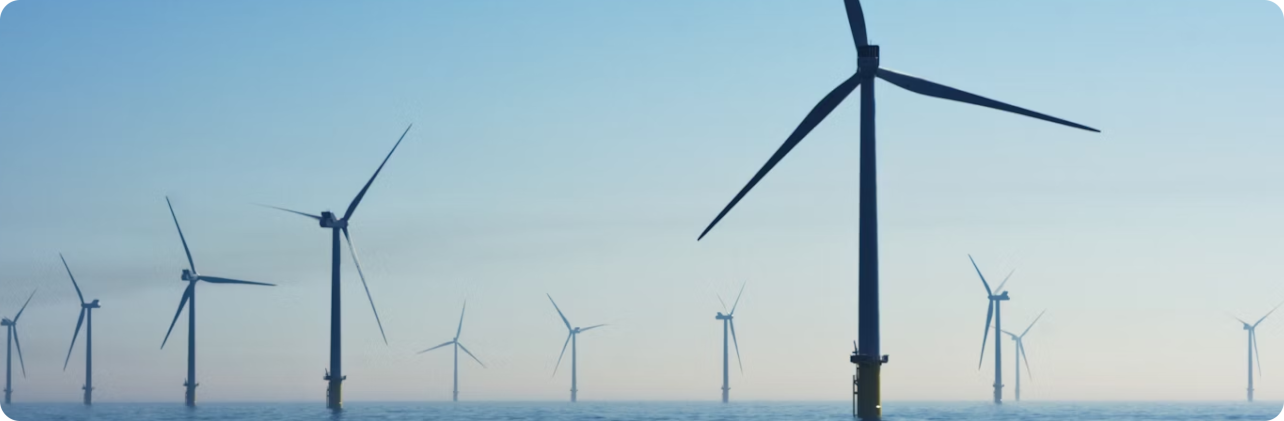
Hydro Rein plays a key role in supplying renewable energy for Hydro's operations in Brazil. The company participates in investments totaling R$7.5 billion for the construction of renewable energy generation parks, such as the Mendubim solar complex in Rio Grande do Norte and the Ventos de São Zacarias wind farm on the border of Pernambuco and Piauí. These parks guarantee a supply of renewable energy for Alunorte and other Hydro units. The energy from current investments is sufficient to supply 401% of Hydro's total consumption in the country.
With the combination of fuel substitution projects, electric boilers, and other energy efficiency initiatives, Alunorte estimates a reduction of 35% in CO2 emissions by 2025, which represents approximately 1.4 million tons of carbon emissions compared to the 2017 emissions baseline.
SDGs
International Commitments
Paris Agreement
