

WHAT IS IT
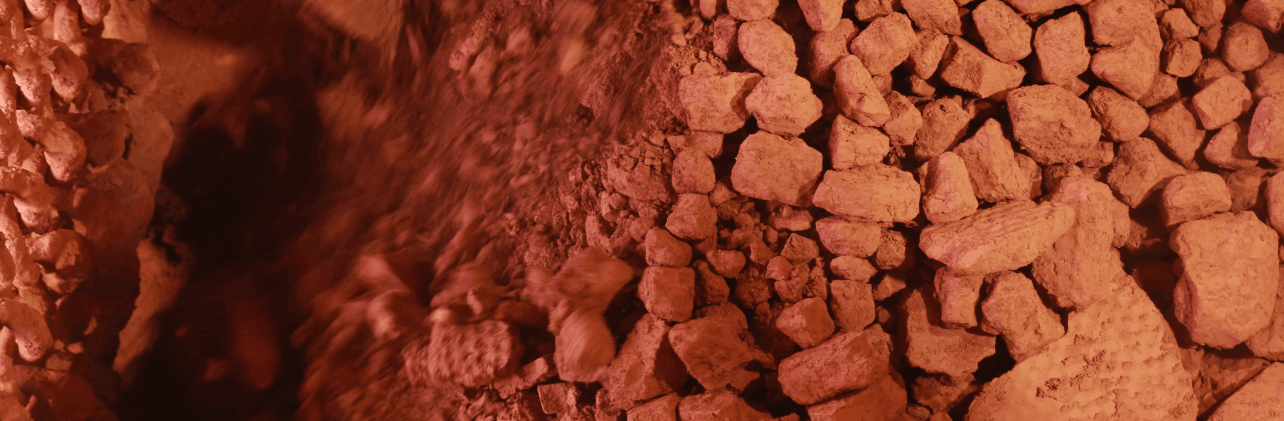
New Wave, in partnership with Norsk Hydro in Brazil, a global technology holding company specializing in the development of sustainable solutions for the mining and metallurgical sector, has developed an innovative process capable of producing metallic iron with specifications similar to pig iron (raw material for the production of steel and cast parts) with a low carbon footprint. The development is pioneering: the raw material for the process is the residue generated in the refining of bauxite for alumina production at the Alunorte unit. Hydro's alumina refinery is considered the largest single-plant alumina refinery in the world.
RESULTS AND OBJECTIVES
In partnership with New Wave, the technology holder. The metallic iron production process uses microwaves and charcoal to remove oxygen, via microwave-catalyzed reduction, from the iron oxide in bauxite residue in a reactor that can reach temperatures close to 1400°C, converting the iron contained in the residue into a product.
The methodology, validated on a pilot scale, demonstrated a reduction of 50% in CO2 emissions compared to conventional pig iron production. This co-product has the potential to be used as a low-carbon raw material in civil construction, studies of which are being carried out in parallel with the construction of the plant.
Given promising results, the plant, with the capacity to process 50,000 tons of bauxite residue per year, producing up to 9,000 tons of pig iron and 22,000 tons of co-product for civil construction, is already under construction. New Wave will operate the plant within Alunorte, with a planned start date of July 2026 and an investment of R$ 240 million. The objective is to obtain all the parameters to engineer an industrial unit capable of processing 4 million tons of bauxite residue annually, avoiding the extraction of significant quantities of iron ore from a conventional deposit.
Thus, in conjunction with other massive investment initiatives in research and development, Alunorte is advancing towards its goal of reusing 10% of its bauxite residue by 2030 and not constructing any more permanent storage areas for this residue from 2050 onwards.
SDGs
International Commitments
Paris Agreement
